
Financial Advisory Insights: Navigating the Forex Market


Understanding the Forex Market
The foreign exchange market, or Forex, is the largest and most liquid financial market globally. It operates 24 hours a day, five days a week, facilitating the exchange of currencies worldwide. Unlike stocks or commodities, Forex trading is decentralized, with trading taking place over-the-counter.
Forex trading involves currency pairs, where one currency is exchanged for another. The most commonly traded pairs include EUR/USD, USD/JPY, and GBP/USD. These pairs reflect the relative value of one currency against another, and traders aim to profit from fluctuations in these values.

The Basics of Forex Trading
To navigate the Forex market effectively, understanding the basics is crucial. Traders must grasp key concepts such as pips, spreads, and leverage. A pip, or percentage in point, is the smallest price movement in a currency pair. Spreads refer to the difference between the bid and ask price, and leverage allows traders to control larger positions with smaller initial investments.
Forex trading typically involves two types of analysis: technical and fundamental. Technical analysis focuses on historical price data and chart patterns to predict future movements. Fundamental analysis, on the other hand, considers economic indicators and geopolitical events that could impact currency values.

Developing a Trading Strategy
Creating a robust trading strategy is essential for success in the Forex market. This includes setting clear goals, determining risk tolerance, and choosing appropriate trading tools. A successful strategy often combines technical and fundamental analysis to make informed decisions.
Risk management is a critical component of any trading strategy. Implementing stop-loss orders, maintaining a diversified portfolio, and avoiding emotional trading are key practices that can help manage risks effectively.
Choosing a Forex Broker
Selecting the right Forex broker is vital for ensuring a smooth trading experience. Factors to consider include the broker's regulatory status, trading platform features, customer service, and transaction fees. It's important to choose a broker that aligns with your trading style and offers reliable support.
The Role of Technology in Forex Trading
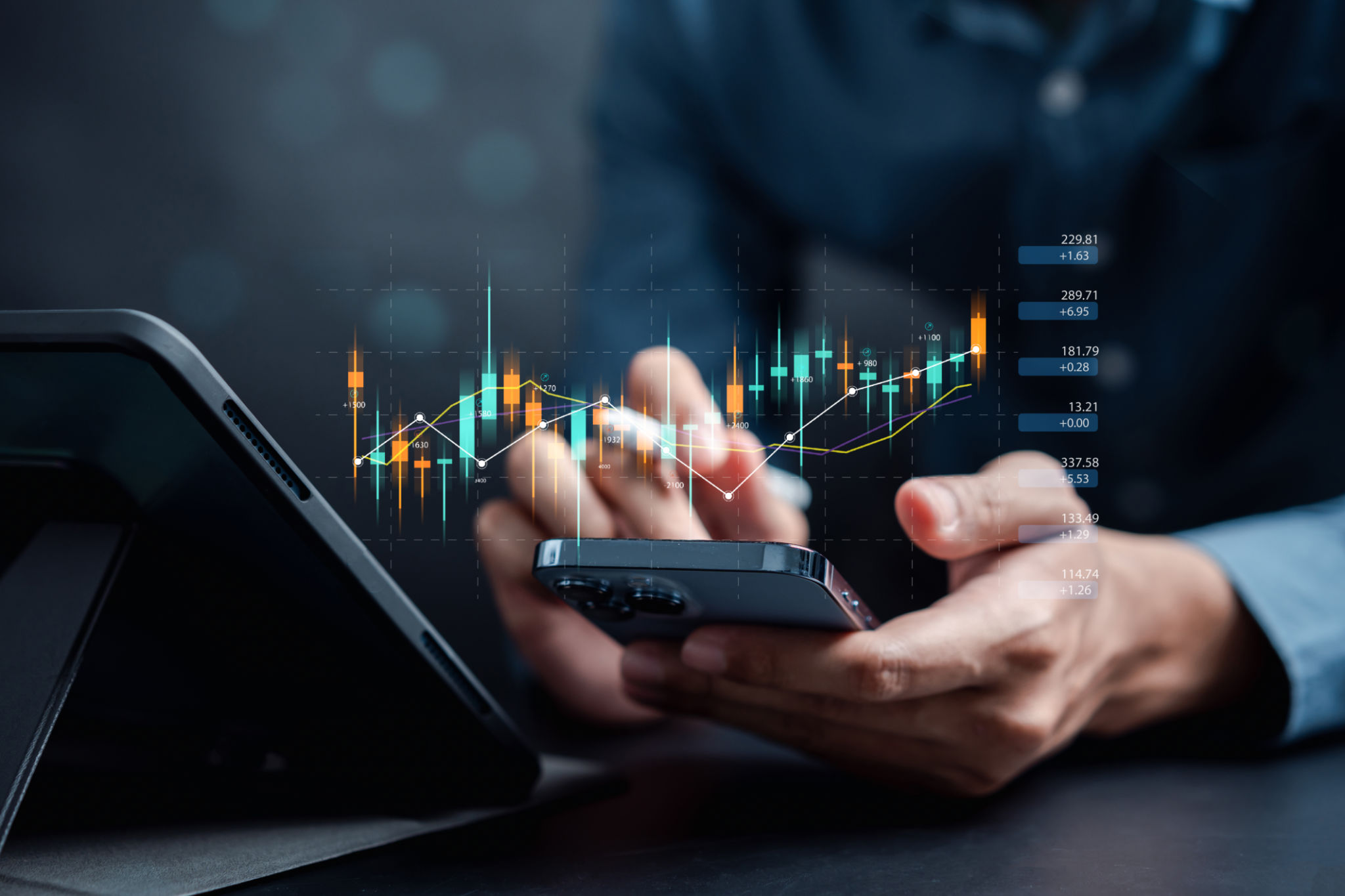
Technology plays a significant role in modern Forex trading. Advanced trading platforms provide traders with real-time data, charting tools, and automated trading options. Mobile apps have also made it easier for traders to monitor the market and execute trades on the go.
Algorithmic trading, or trading using automated systems, is becoming increasingly popular. These systems can analyze large volumes of data and execute trades based on predefined criteria, reducing human error and enhancing efficiency.

Continuous Learning and Adaptation
The Forex market is dynamic, and staying informed is crucial for success. Traders should continuously educate themselves on market trends, new strategies, and technological advancements. Engaging with Forex communities and participating in webinars can provide valuable insights and keep traders updated.
Adaptability is also key, as market conditions can change rapidly. Being open to adjusting strategies and learning from past experiences can help traders maintain a competitive edge.
In conclusion, navigating the Forex market requires a combination of knowledge, strategy, and adaptability. By understanding the fundamentals, developing a solid trading plan, and leveraging technology, traders can enhance their chances of success in this fast-paced financial landscape.